nav-close
float feedback icon livechat

RM SOCIAL: COPY TRADING FEATURE LIVE NOW

YOUR GO-TO BROKER
FOR TRADING

Access 1000+ products including Forex, Share CFDs, Indices and Metals with MetaTrader 4/5 Platforms

LIVE SPREADS

EUR / USD

SPREAD

0.00

BID

-----

ASK

-----

XAU / USD

SPREAD

0.90

BID

-----

ASK

-----

EUR / JPY

SPREAD

0.10

BID

-----

ASK

-----

USD / JPY

SPREAD

0.00

BID

-----

ASK

-----

GBP / USD

SPREAD

0.20

BID

-----

ASK

-----

Live prices are indicative only.

ENHANCE YOUR TRADING JOURNEY WITH US

Trade like never before with our optimal features. Our seamless and user-friendly platform enables you to navigate the markets with ease.

an icon says 0.0 pips, a feature of radex markets

#01

Spreads From 0

an icon says 0.0 pips, a feature of radex markets

#02

350+ Products Available

up to 1:500 leverage

#03

Up to 1:500 Leverage

3 base currency icon

#04

3 Base Currencies

your account manager icon

#05

Your Own Account Manager

live support icon

#06

Live Support 24/7

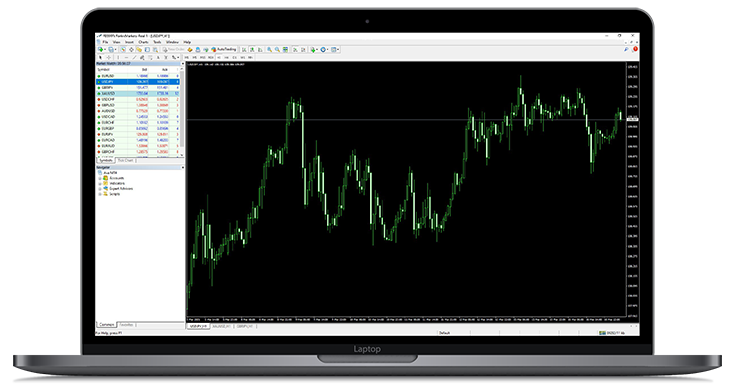
a PC for using MetaTrader, a forex platform

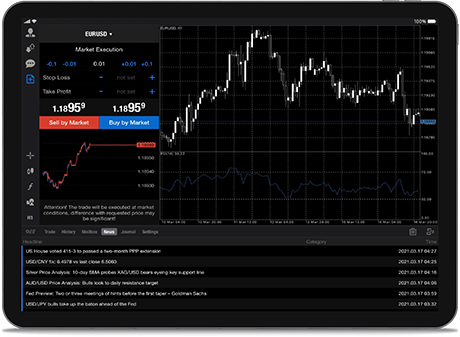
a Pad for using MetaTrader, a forex platform

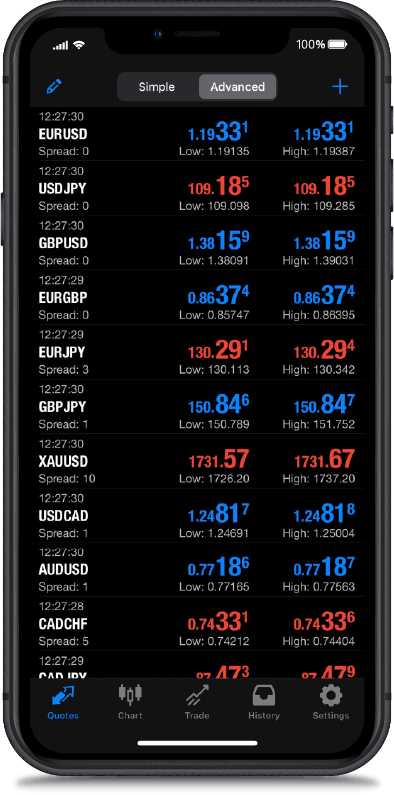
a cellphone for using MetaTrader, a forex platform

FIND YOUR GEAR
IN TRADING

At RADEX MARKETS
we offer a full range of platforms
that meet your needs.

MARKET WATCH

Christmas rally for precious metals

December 2025

  ●  Gold and silver hit record high   ●  Platinum touches $2,100 per ounce   ●  Palladium doubles since January Precious metals rise together Precious metals are pumping across the board. Gold wasted no time pumping straight to $4,400 per ounce this morning, surpassing its previous record high established back in October. It was not alone. Silver reached all the way up to $69 per ounce within hours of the opening bells across Asia, pushing even further into record high territory. The white metal is up a staggering 140% since the start of the year, and is by no means alone. After breaching $2,000 last Friday, platinum blasted straight out of the gate this morning, moving up to $2,100 per ounce. Platinum is up over 130% since January and is now only $200 away from beating its previous all-time high of $2,300 per ounce, recorded back in 2008. As if that were not enough, palladium also continued its ascent this morning, reaching to $1,850 and beyond, meaning the metal has joined silver and platinum in doubling since the start of the year. The drama in precious metals appears to be relatively self-contained for the time being, with markets further afield remaining unaffected. The week ahead Christmas is only a few days away, and the economic calendar is as barren as one would expect. With regard to the US economy, Tuesday has a couple of meagre offerings in the form of the ADP employment change and heavily delayed Q3 GDP figures, while the latest jobless claims arrive early this week on Wednesday. Other than that, there is very little to whet the appetite this week; the earnings calendar is equally mundane. With the Christmas break just around the corner, traders understandably have their sights on matters closer to home. Markets around much of the world will shut down on Thursday and Friday for Christmas and Boxing Day, while US markets will close for half a day on Wednesday but reopen on Friday. #Gold #Silver #Metals

READ MORE
RM Rooms Icon

RM NEWS ROOM

Service Notice: Temporary Support Response Delay Due to Internal Training

19 December, 2025

Due to a scheduled internal training session from 10:00 on 19/12/2025 to 12:00 on 20/12/2025 (UTC+0), there may be a slight delay in our customer support response times. In the meantime, please feel free to email us at [email protected] or contact your dedicated account manager. We appreciate your patience and will endeavour to get back to you as soon as possible.

READ MORE

ECONOMIC CALENDAR

( GMT +03:00 13:06 )
March 26, 2024
2025-12-24 10:30:00+00:00BEPPI YoY Nov
2025-12-24 12:00:00+00:00MXUnemployment Rate Nov
2025-12-24 13:30:00+00:00USInitial Jobless Claims Dec/20

TRADER'S PICK

Moving average convergence divergence (MACD Indicator)

December 23, 2025

If you’ve been trading forex for more than five minutes, chances are you’ve stumbled across the MACD. Short for Moving Average Convergence Divergence, this indicator has earned a spot on the charts of countless traders, from wide-eyed beginners to seasoned pros with multiple screens. Why? Because the MACD is like the most applicable of indicators, it can show you trend direction, momentum, and potential reversal points, all without looking overly complicated. But like most things in forex, it’s not a magic wand. The MACD can be incredibly powerful when used properly, but it also has its quirks and limitations. Some traders swear by it, others think it lags behind price action, and a few just throw it on their charts because it looks cool (no judgment intended). In this article, we’ll break down what the MACD is, how it actually works, and why traders use it. We’ll also look at its advantages, disadvantages, the timeframes it tends to shine on, and which currency pairs give it the most reliable signals. By the end, you’ll have a clear, practical understanding of how to put this indicator to work in your own trading.What Is the MACD? The MACD (that’s Moving Average Convergence Divergence for when you’re trying to sound impressive in trading forums) is one of the most widely used indicators in forex. At its core, it’s built on a simple concept: moving averages. Trader’s love moving averages because they smooth out price action and make the chaotic forex market look slightly less like a busy heart monitor. Here’s what makes up the MACD:   ●  The MACD Line – This is the difference between two Exponential Moving Averages (EMAs), typically the 12-period EMA and the 26-period EMA. If you’re not a fan of math, don’t worry-your trading platform does the heavy lifting.   ●  The Signal Line – A 9-period EMA of the MACD line. When the MACD line crosses above this one, it suggests bullish momentum. Cross below? Bearish momentum. Traders love this bit because it feels like the indicator is whispering buy/sell secrets directly into their ears.   ●  The Histogram – This little bar chart shows the distance between the MACD line and the signal line. When the bars are growing, momentum is building; when they shrink, momentum is fading. Think of it as a mood indicator for the market. What does this all mean? In plain English: the MACD helps you identify trend direction, momentum, and possible reversals. When the fast-moving EMA (short-term price action) pulls away from the slower EMA (long-term price action), the indicator shows momentum building. When they start converging, it’s a clue the trend could be running out of steam. Traders typically look for three main signals: 1. Signal line crossovers – MACD line crossing above/below the signal line. 2. Zero-line crossovers – MACD moving above or below zero, hinting at trend direction. 3. Divergence – When price and MACD move in opposite directions (often a warning sign of a potential reversal). In short: the MACD is both a trend-following tool and a momentum indicator. That’s why it’s in almost every trader’s toolbox, right next to caffeine and questionable levels of optimism.How Does the MACD Work in Forex Trading? Now that we know what the MACD is, let’s talk about how it actually earns its keep on your trading screen. Spoiler alert: it doesn’t predict the future (sorry to disappoint), but it does a pretty solid job of highlighting momentum shifts and trend changes. Here’s how traders typically use it: 1. Signal Line Crossovers When the MACD line crosses above the signal line, traders interpret it as bullish momentum-basically, “hey, buyers are waking up.” When it crosses below, it suggests bearish momentum-aka, “sellers are back in charge.” Of course, not every crossover means instant profit; sometimes it’s just the market trolling you. 2. Zero Line Crossovers When the MACD moves above zero, it’s a sign the short-term EMA is stronger than the long-term EMA-momentum is bullish. When it dips below zero, momentum is bearish. This is great for spotting trend direction, but if you expect instant riches, you might want to lower those expectations (and maybe stop following those Instagram “forex gurus”). 3. Divergence This one gets traders really excited. If the price is making higher highs, but the MACD is making lower highs, that’s bearish divergence-a warning sign the uptrend might be running out of steam. Flip it the other way (lower lows in price, higher lows in MACD) and you’ve got bullish divergence. Traders call it a “heads up,” but sometimes it’s more like a “heads up, but don’t mortgage your house on this signal.” Putting It Into Practice Let’s say you’re looking at EUR/USD on the 4H chart. Price is climbing steadily, the MACD line crosses above the signal line, and the histogram bars are growing momentum is building. A trader might enter a long trade, but a smart trader (read: not the one blowing accounts weekly) would also check support/resistance levels or maybe confirm with another indicator. Because here’s the truth: the MACD is powerful, but it’s not meant to be used in isolation. Think of it as a reliable wingman. It’s there to support your decisions, not make them for you.Advantages of Using the MACD Indicator Despite its quirks, the MACD has earned a place in nearly every forex trader’s toolkit. Here’s why: 1. Simplicity (Kind of…) Once you understand the components-MACD line, signal line, histogram-it’s surprisingly easy to read. Your trading platform does the math, so you can pretend you’re a financial genius without actually crunching numbers. 2. Works Well in Trending Markets The MACD shines when there’s a clear trend. Uptrend? Momentum signals build, helping you ride the wave. Downtrend? It warns you when sellers are gaining strength. In a perfect world, it’s like having a friend who whispers, “Yep, this trend’s got legs.” 3. Spotting Potential Reversals Divergence signals (when price and MACD disagree) can give early warnings of reversals. Sure, it doesn’t come with a crystal ball, but spotting a trend losing momentum before it collapses is better than being blindsided. 4. Entry and Exit Confirmation The MACD can help confirm your trade decisions. Whether you’re entering a trade after spotting a breakout or exiting before momentum fades, the MACD’s signals give you a little extra confidence. Think of it as the trading equivalent of double-checking your parachute before jumping. 5. Flexible Across Timeframes From 5-minute scalps to daily swing trades, the MACD adapts to different trading styles. Just adjust your settings, and you’re good to go. In short: the MACD is easy to use, versatile, and capable of providing meaningful insight-especially for traders who pair it with price action or other indicators. It won’t make you rich on its own, but it’s a tool that can help you make smarter decisions and avoid some obvious mistakes.Disadvantages of the MACD As much as traders love the MACD, it’s far from perfect. Here’s what you need to watch out for: 1. Lagging Indicator Because the MACD is based on moving averages, it reacts to price instead of predicting it. In plain English: it’s always a few steps behind the market. If you’re hoping it’ll shout, “buy now!” before the move, you might be disappointed. Think of it as your friend who’s always fashionably late-helpful, but not first to the party. 2. False Signals in Sideways Markets The MACD works best in trends, but in choppy or sideways markets, it can throw out signal after signal, none of which actually lead anywhere. Traders sometimes call this “whipsawing”-when the indicator seems like it’s saying one thing, but the market is actually just messing with you. 3. Can’t Predict Price Alone The MACD tells you about momentum and trend, but it won’t give you exact entry or exit points. Relying solely on it is like driving with only your rearview mirror-it’s informative, but dangerous if that’s all you’re looking at. 4. Needs Confirmation Because it lags and can produce false signals, the MACD is best used alongside other tools-support/resistance, candlestick patterns, or even other indicators. Ignoring this can leave you nodding at the charts while your account silently cries in the corner. 5. Sensitive to Your Settings Adjusting the EMAs or signal line can dramatically change what the MACD tells you. Some traders swear by the default 12, 26, 9 setups; others tweak it obsessively. Either way, you can’t just slap it on a chart and expect perfection. In short, the MACD is great-but only if you know its limitations. Ignore them, and you might feel like a participant in a very expensive guessing game.Best Timeframes for the MACD in Forex Not all timeframes are created equal when it comes to the MACD. Using the right one can mean the difference between a signal that actually works and one that makes you want to throw your laptop out the window. Short-Term Timeframes (5M–15M) Scalpers love these tiny charts because they can catch quick moves. The MACD here is fast-moving and produces lots of signals-sometimes too many. You’ll get a lot of excitement… and a lot of false alarms. If your heart rate spikes every time a crossover happens, maybe stick to coffee instead of 5-minute charts. Medium Timeframes (1H–4H) These charts are sweet spots for swing traders. The MACD signals are more reliable than in ultra-short timeframes yet still frequent enough to provide opportunities. You get a clearer picture of the trend, and fewer instances of the “market trolling you” feeling. Longer Timeframes (Daily) Daily charts are where the MACD really shines for spotting larger trends. Signals are slower, but generally more trustworthy. Patience is key here, though-this isn’t for the trader who needs instant gratification. You might wait a few days for a signal, but when it comes, it’s usually meaningful. Tips for Using Timeframes   ●  Align signals on smaller timeframes with trends on higher timeframes. For example, if the daily MACD is bullish, favour long trades on the 1H chart.   ●  Avoid relying on the MACD in tiny charts if you can’t stomach a lot of false signals.   ●  Remember: the indicator doesn’t know what news is about to drop, so sudden spikes can make even the most solid setups look like a sick prank. In short, the MACD is versatile, but picking the right timeframe is crucial. Too short, and it whipsaws; too long, and you miss opportunities. The trick is finding a balance that suits your trading style-and your nerves.Best Currency Pairs to Use The MACD On The MACD doesn’t treat every currency pair equally. Some pairs love it, others… not so much. Knowing where it works best can save you a lot of frustration (and possibly a few lost trades). 1. Major Pairs Are Your Friends Pairs like majors, EUR/USD, GBP/USD, USD/JPY, and USD/CHF are highly liquid and tend to have smoother, more predictable trends. This makes the MACD signals more reliable and easier to interpret. If you’re trading these, the indicator is like that dependable friend who always shows up on time. 2. Trending vs. Ranging Pairs The MACD thrives in trending markets. For pairs with strong directional moves, signals like crossovers and divergence are often more accurate. In contrast, pairs stuck in sideways ranges-especially some exotic pairs-can generate endless false signals. Using the MACD there is a bit like trying to predict the weather by watching clouds shaped like dinosaurs: fun, but mostly inaccurate. 3. Volatility Matters Highly volatile pairs can make the MACD noisy. For example, exotic pairs like USD/TRY or GBP/ZAR often swing wildly, producing signals that might make your trading account scream in protest. Stick with the major and the odd minor pairs where price action is smoother for more dependable results. 4. Combining Pairs and Timeframes For best results, combine the right pairs with the right timeframe. EUR/USD on a 4H chart is a good example. Usually reliable. USD/TRY on a 5M chart? Only if you enjoy adrenaline and regret. Always check higher timeframe trends before acting on a lower timeframe MACD signal. In short, major pairs and trending markets are where the MACD really earns its stripes. Exotic, choppy, or low-liquidity pairs? Consider them “MACD-unfriendly zones,” at least if you want to keep your blood pressure in check.Conclusion The MACD is one of those indicators that every forex trader seems to have on their charts-and for good reason. It’s versatile, relatively easy to read, and can give valuable insight into trend direction, momentum, and potential reversals. But let’s be honest: it’s not magic. It lags, it can give false signals, and it’s best used alongside other tools like support/resistance, price action, or even a dash of common sense. When used wisely, the MACD can help traders spot opportunities on major currency pairs, confirm entries and exits, and avoid getting caught in sideways market whipsaws. Picking the right timeframe-whether it’s a quick 15-minute chart for scalping or a daily chart for swing trades-is crucial to making it work effectively. Ultimately, the MACD is a tool, not a crystal ball. It can give you an edge if you understand its strengths and limitations, but relying on it blindly is a recipe for frustration (and possibly losing a bit of sleep). Test it, combine it with other techniques, and remember in forex, no indicator is perfect, but a smart trader can make even a lagging line feel like a superpower.

READ MORE
LiveChat
livechat

Risk Warning : Trading derivatives and leveraged products carries a high level of risk.

OPEN ACCOUNT
to top icon